
Investment appraisal and NPV, worked through a ceramics studio
Net present value worked step by step through a ceramics studio deciding whether to buy a new kiln: discount the cash flows, get the NPV, make the call.

Accruals and prepayments, worked through a bakery
The accruals concept worked step by step through a bakery’s year-end: a prepaid insurance and an accrued electricity bill, and where each one sits.

Depreciation methods, worked through a removals firm
The straight-line and reducing-balance methods worked step by step on the same van, so you can see exactly how the two patterns differ.

Double-entry bookkeeping, worked through a flower shop
Double-entry worked step by step through a new flower shop’s first transactions: the debit and credit rules and the accounting equation, kept in balance.

Ratio analysis, worked through a retailer
Profitability, liquidity and gearing ratios calculated and interpreted for a retailer, step by step, so you can see what each one actually tells you.

Inventory valuation (FIFO and AVCO), worked through a wholesaler
FIFO and AVCO worked on the same stock through a wholesaler, with cost of sales and closing inventory compared, so the difference is clear.

WACC, worked through a food manufacturer
The weighted average cost of capital worked step by step through a food manufacturer: blend the cost of equity and after-tax debt into one hurdle rate.
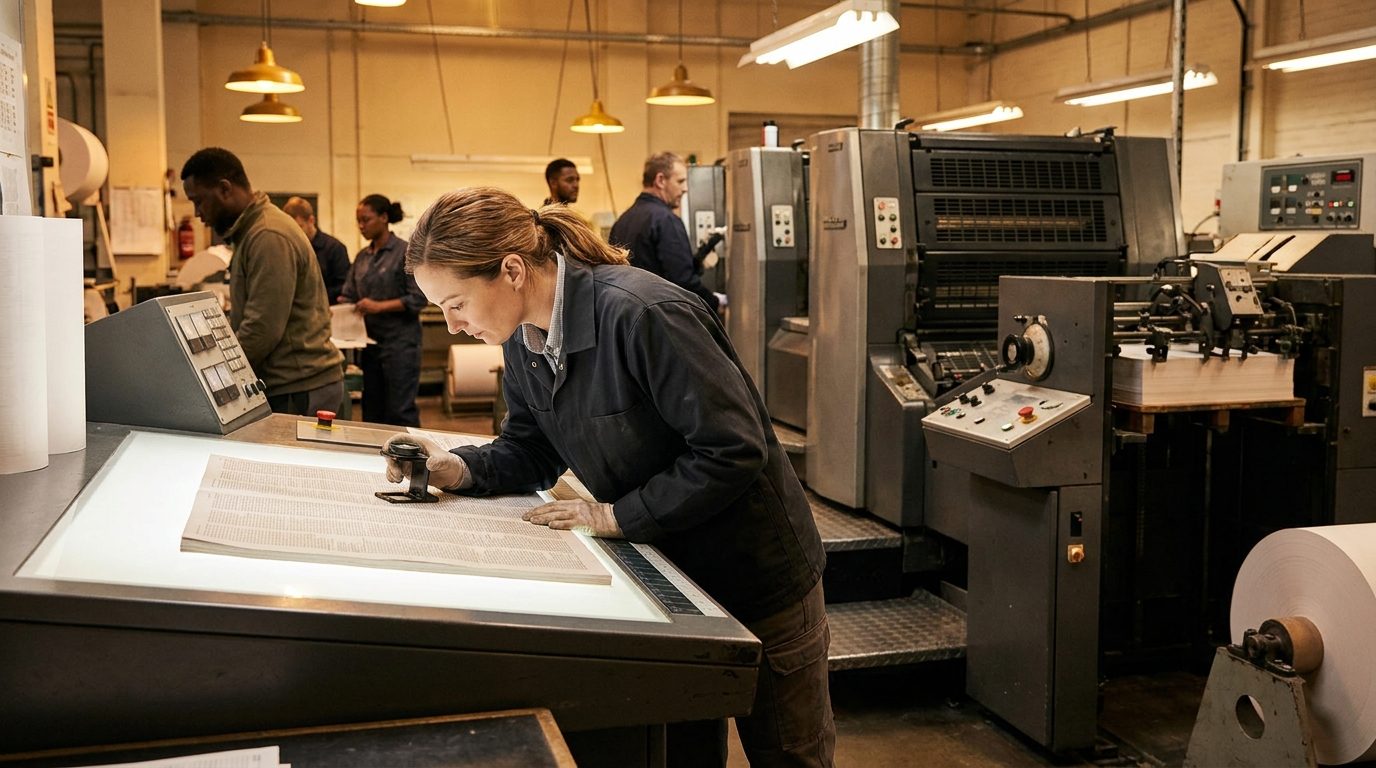
IRR (internal rate of return), worked through a print shop
The internal rate of return worked step by step through a print shop: two NPVs, interpolation, and the accept-or-reject decision.

Consolidation and goodwill, worked through an acquisition
How goodwill is calculated on consolidation, worked through an acquisition, under both the full and proportionate NCI methods.

Relevant costing, worked through a make-or-buy decision
Relevant costing worked through a make-or-buy decision: strip out sunk and unavoidable costs, compare only what changes, and make the call.

Bank reconciliation, worked through a cafe
Bank reconciliation worked step by step through a cafe: adjust the cash book, then reconcile the bank statement until the two agree.

ROI and residual income, worked through a division
ROI and residual income worked through a division, and how the two can push a manager towards opposite decisions on the same project.
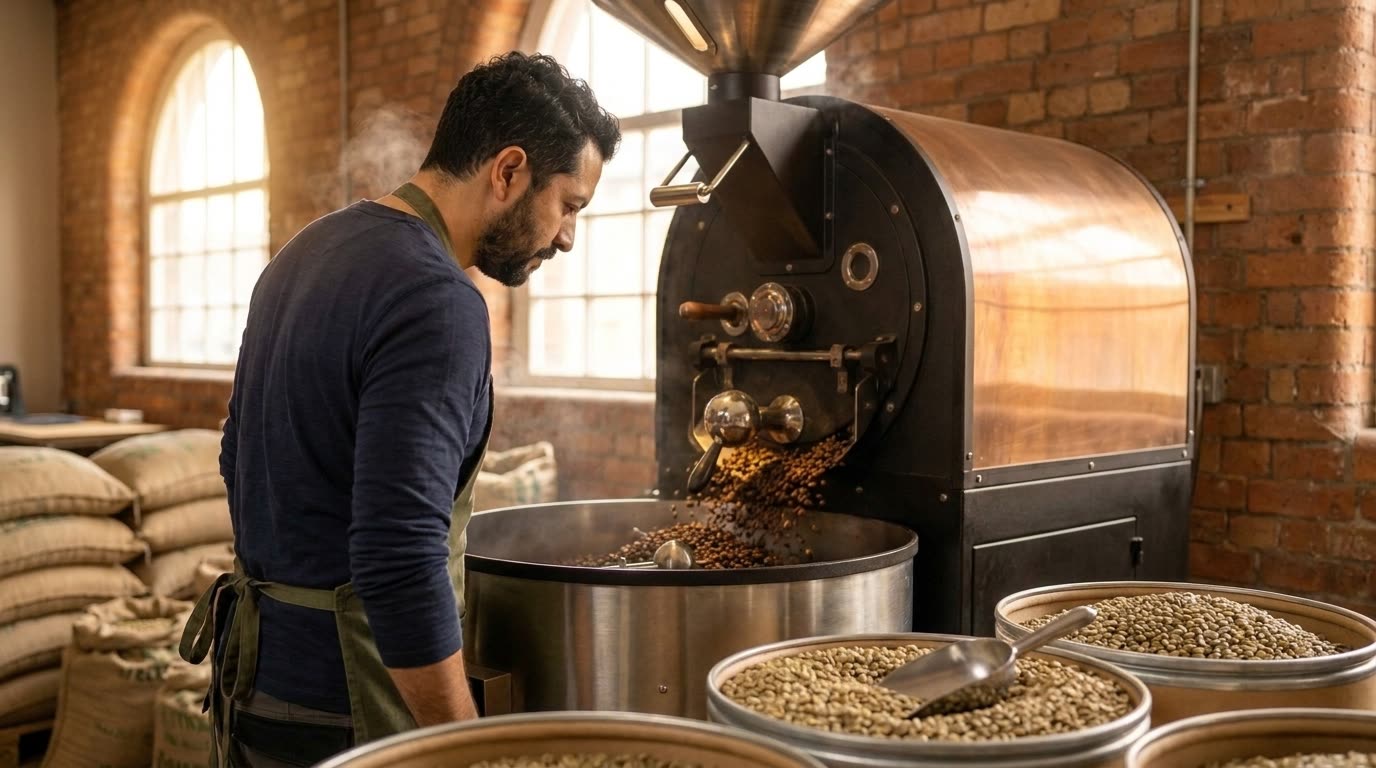
The high-low method, worked through a coffee roastery
Split a semi-variable cost into its fixed and variable parts, step by step, using a real utility bill from Alma Roasters.

Marginal vs absorption costing, worked example
The one difference between the two methods, and why they report different profits in the same month. Reconciled line by line.

Variance analysis made simple, with a worked example
Material and labour variances split into price, usage, rate and efficiency, worked through Alma Roasters with every figure reconciled.
CVP and breakeven analysis, worked example
Contribution, the breakeven point, target profit and the margin of safety, worked through Alma Roasters with every figure reconciled.